Emergency Dentistry
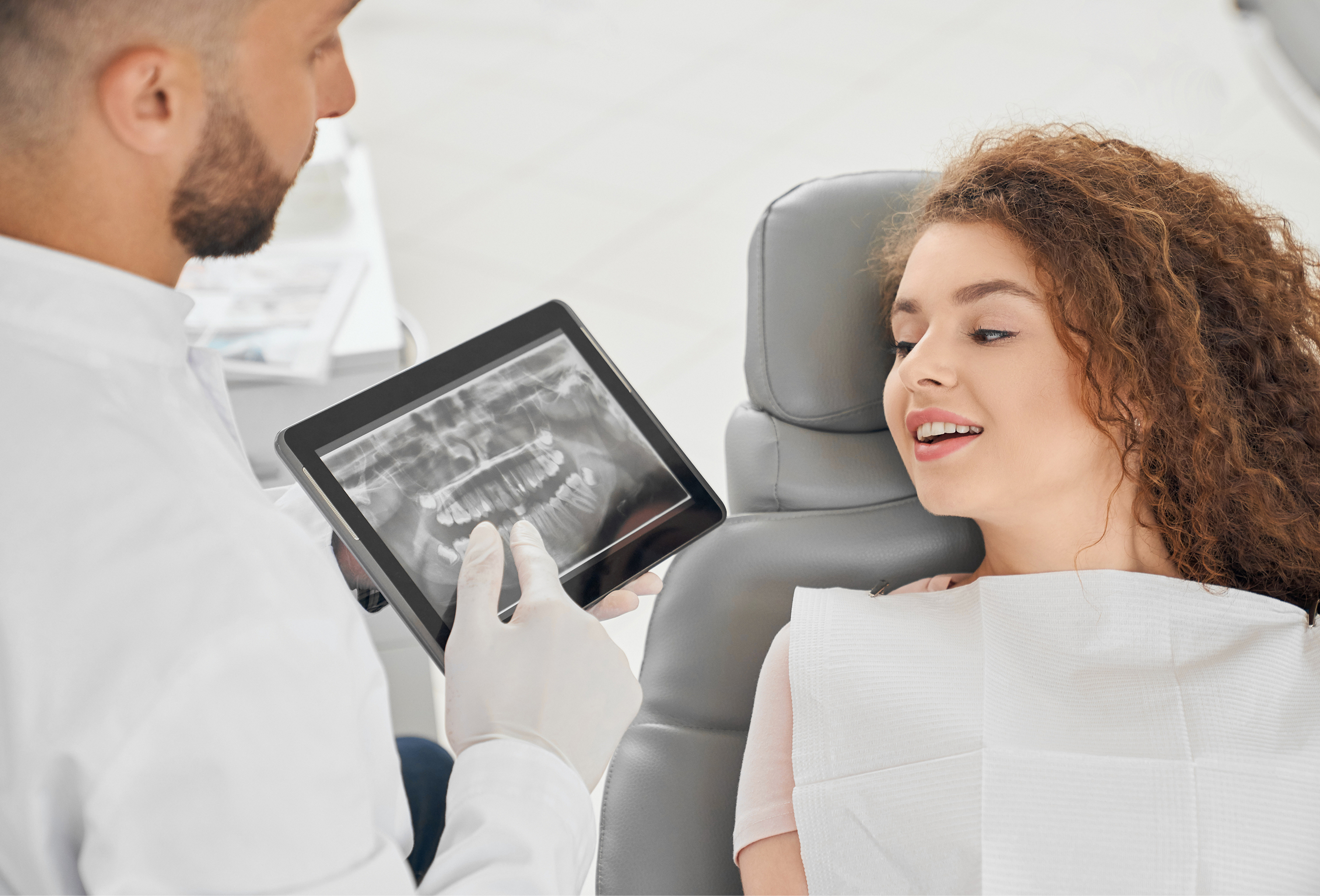
A sudden toothache or dental injury can occur without warning and may cause severe discomfort. In some cases, dental emergencies can lead to serious complications if left untreated. Routine dental checkups, professional cleanings, and preventive care help reduce the chances of unexpected dental problems.
However, accidents, sports injuries, or untreated infections can still lead to dental emergencies. If you or someone you know experiences severe pain, bleeding, swelling, or a knocked-out tooth, it is important to seek professional dental care as soon as possible.
Signs You May Need Emergency Dental Care
You should contact a dentist immediately if you experience any of the following symptoms:
- Severe or persistent tooth pain, which may indicate inflammation or infection inside the tooth
- A cracked or fractured tooth caused by injury or trauma
- Pain or swelling from a dental abscess, often associated with bacterial infection
- Unexplained bleeding from the gums or mouth
- Difficulty swallowing or swelling in the mouth or jaw
If you have mild to moderate tooth pain, you may take a pain reliever temporarily until you are able to visit a dentist. Emergency dental care may also be necessary for problems such as broken braces or wires, cracked dental bridges, loose restorations, or advanced tooth decay.
Tips to Reduce the Risk of Dental Emergencies
While not all dental emergencies can be prevented, the following habits can significantly lower your risk:
- Wear a custom-fitted mouthguard during sports or physical activities
- Schedule routine dental checkups at least twice a year
- Maintain proper oral hygiene by brushing and flossing daily
- Address dental issues early before they worsen into emergencies
- Keep your dentist’s contact information readily available
What to Do If a Tooth Is Knocked Out
If a tooth becomes completely dislodged, quick action can increase the chances of saving it. Contact a dentist immediately. Ideally, dental care should be received within 30 minutes of the accident for the best possibility of reinserting the tooth successfully.
When handling a knocked-out tooth:
- Avoid touching the root of the tooth
- Do not scrub or clean it aggressively
- Keep the tooth moist and seek dental care as quickly as possible
Prompt treatment can greatly improve the chances of preserving the natural tooth.